Tulum and Playa del Carmen sit 65 km apart on the same Caribbean coast, but as real estate markets they're completely different animals. The wrong choice between them in 2026 won't ruin your investment — but it can absolutely be the difference between a property that earns and one that just sits there.
First: what is this property actually going to do for you?
The right answer between Tulum and Playa depends almost entirely on what you want the property to accomplish. Two buyers, same budget, can have completely different optimal answers.
Investment-first buyers care about rental yield, year-round occupancy, exit liquidity, and how predictable the cash flow is.
Lifestyle-first buyers care about walkability, dining, healthcare access, schools, community, and how the place feels at 8 PM on a Tuesday in shoulder season.
Hybrid buyers — the majority — want both, and need to be honest about which one they'll actually optimize for when the trade-off lands on the table.
Get this question wrong and the rest of the comparison doesn't matter.
Playa del Carmen: what you're getting
Playa is dominated by modern mid-rise condo product — pools, gyms, rooftops, full amenities, professionally managed HOAs. The market is mature and the inventory is deep, with options from entry-level inland units up to beachfront penthouses. Walkability to 5th Avenue, dining, services, hospitals, and the beach is the defining feature of Centro and Coco Beach.
If you're picturing your morning coffee on a balcony five minutes from a real grocery store, a real hospital, and an actual community of fellow foreign owners — that's Playa.
Tulum: what you're getting
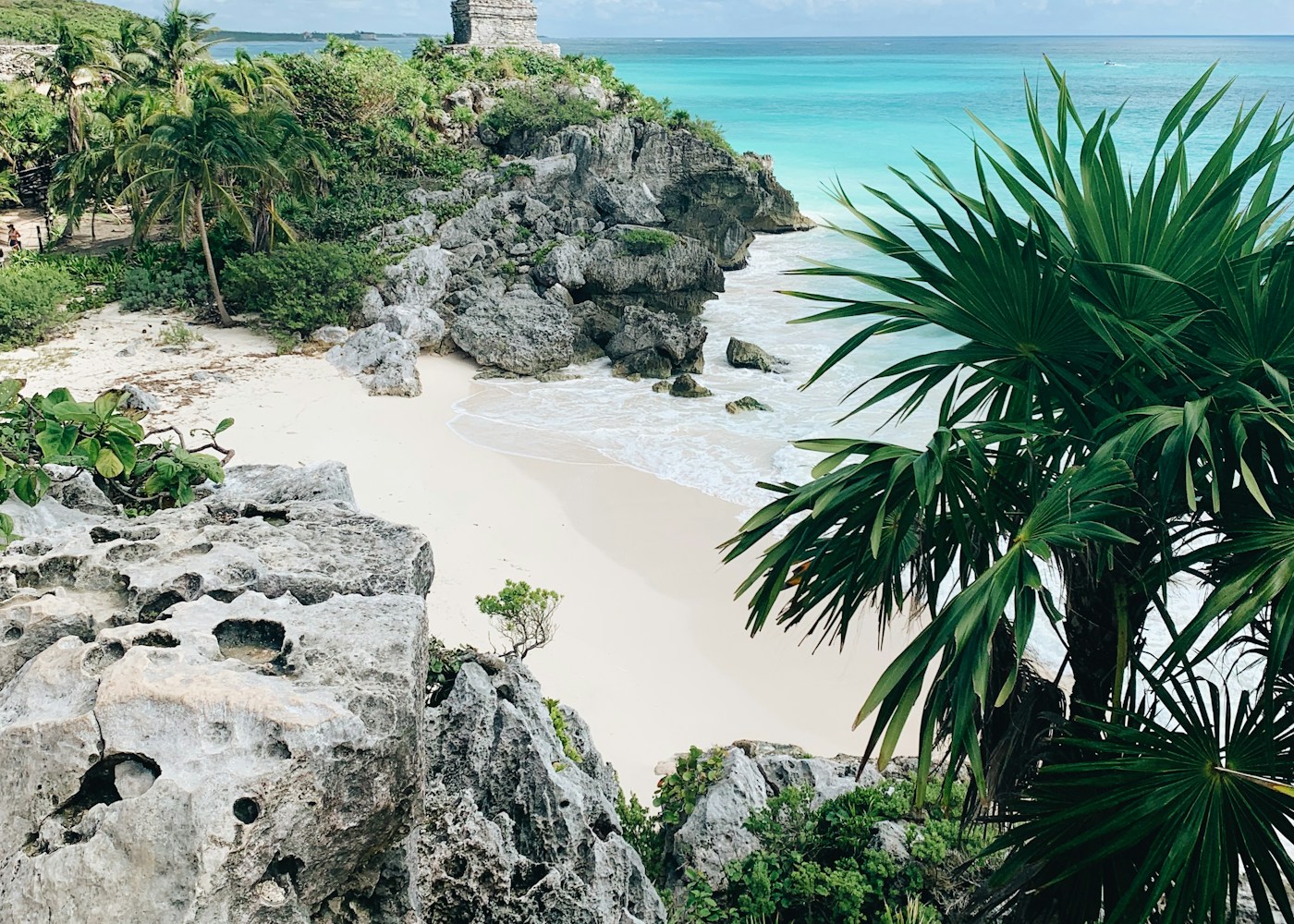
Tulum is lower-density by zoning — jungle building codes restrict height, so almost everything is three or four stories. The architectural style leans heavily into "boho luxury" — rough concrete, palapa roofs, jungle integration, wellness-oriented design.
Foreign-buyer neighborhoods are concentrated in Aldea Zama, La Veleta, Region 15, and Selva Maya. The Hotel Zone is its own world: beachfront, more expensive, and a different buyer profile entirely.
If you're picturing yoga at sunrise, cenote swims, plant-based dinners, and a slower rhythm — that's Tulum. The pace and aesthetic are part of the product.
Who buys where, and why
Playa attracts
Mid-career professionals, families with school-age kids, snowbirds (especially Canadian), and retirees who want walkability without the seasonality of pure resort markets.
The Playa buyer profile skews older, more conservative, and more lifestyle-stable. They want a property that works as well in February as it does in August, with hospitals and grocery stores nearby and a long-term community of similar buyers.
Tulum attracts
Younger investors (30s–40s), lifestyle entrepreneurs, the wellness/digital-nomad demographic, and "conscious living" buyers — yoga, plant-based diet, slow living. The Tulum buyer is generally willing to trade infrastructure quality for aesthetic, vibe, and the cultural fit.
This is not a value judgment in either direction — it's just that the same property attracts very different ownership decisions in the two towns. Misalignment here is the most common source of regret.

Returns: what the numbers actually do
Short-term rental yields
Playa del Carmen rewards consistency. Demand is genuinely year-round — there's a peak season, but the off-season doesn't fall off a cliff the way it does further south. Owners who buy well-positioned condos in proven STR buildings tend to have steadier, more predictable cash flow.
Tulum rewards peak. The high season (roughly mid-December through April) is when most of the annual revenue happens, and well-positioned units can do very well during those months. The off-season is real, though, and needs to be modeled honestly into any cash flow projection.
Appreciation
Playa has been the more predictable performer since the post-pandemic explosion settled. Premium neighborhoods (Coco Beach, Zazil-Ha, Playacar) have led, but the broader market has appreciated steadily across most neighborhoods.
Tulum went through a notable correction in the wake of an earlier overbuild cycle, which is part of why some of the most interesting entry points in the Riviera Maya are currently in Tulum. The recovery thesis is real — Maya Train, expanded airport access, growing infrastructure — but it's a thesis, not a guarantee. Buy here only if you can stomach the volatility.
The single rule that overrides town selection
The building matters more than the neighborhood. The neighborhood matters more than the town. A great building in Tulum will beat a mediocre building in Playa, every single time. Always confirm HOA health, building management, STR policies, and recent occupancy data before you make an offer — not after. I've seen this rule violated more times than I can count, and the buyers who learn it the hard way usually wish they'd bought it differently.
Want a personal walkthrough of both markets?
Browse current listings in both towns, grab the free Buyer's Guide + on-demand webinar, or book a 15-minute call directly with Matt to compare specific properties side by side.
The downsides nobody tells you about
Playa downsides
- HOA fees can run steep in the best buildings. The towers with full amenities, on-site management, and beach service carry monthly fees to match. Worth it for many buyers — but it's a real line item.
- STR oversaturation in some corridors. Parts of Centro near 5th Avenue and the densest Zazil-Ha blocks have so many Airbnb listings that occupancy has plateaued. Choose your block carefully — the building matters more than the town.
- Peak season tourist density. December through April, Playa can feel overwhelming if you were picturing a quiet getaway. Plan accordingly.
Tulum downsides
- Infrastructure is still catching up. Water issues, occasional power outages, fewer hospitals at the level of Playa or Cancun. Improving — but real.
- Construction quality varies wildly. The pre-construction boom of 2021–2023 brought in developers of every quality level. Diligence is non-negotiable in Tulum in a way it isn't in Playa.
- Cenote and water-table risk for projects too close to underground river systems. Environmental permitting (manifestación de impacto ambiental) is critical.
- Car-dependence in many neighborhoods. Aldea Zama is walkable; Region 15 is not. La Veleta is in between. Choose accordingly.
"I sell properties in both. I don't have a horse in this race. What I've learned over 200+ closings is that buyers who match the town to their actual lifestyle — not the town they saw on Instagram — are the ones who keep their property for the long term and feel good about it."
The decision framework: who should buy where
Buy in Playa del Carmen if…
- You're a family, retiree, or snowbird who wants walkability + hospital access + community stability
- You want maximum exit liquidity — Playa resales move faster on average than Tulum
- You're investment-first and prefer steady year-round income over high-peak/low-trough cycles
- This is your first foreign property purchase in Mexico
Buy in Tulum if…
- You're lifestyle-driven and the boho-wellness aesthetic genuinely fits your life (not aspirationally — actually)
- You can stomach more volatility for more upside
- You're comfortable doing deeper diligence on construction quality and HOA structure
- You have the time and patience to weather the current correction and let the recovery thesis play out

My honest take for 2026
Playa del Carmen is the safer, more mature, more proven market. The year-round demand, the depth of inventory, and the maturity of building management make it the lower-risk path for most foreign buyers right now.
Tulum is the higher-volatility play with more upside potential and more downside risk. The correction created some genuinely interesting entry points for buyers who can stomach the swings and do the diligence. The recovery thesis is real but not guaranteed.
For a first foreign-buyer purchase in the Riviera Maya, I lean Playa for most buyers. For a second property, a repeat buyer, or a buyer whose actual lifestyle (not Instagram aspirational version) aligns with what Tulum is — it can be a great asset.
The wrong move is picking between them based on which has the prettier Instagram feed. Match the town to your real life, not your vacation fantasy.
If you'd like a personal comparison of specific properties in both markets — at your actual budget, with actual STR data and HOA financials — get in touch. We work for buyers, not sellers, and we'll tell you exactly what we'd do if we were in your position. Or read our deep dive on the Playa del Carmen 2026 market for more neighborhood-level detail.
